
Sault Ste. Marie– The Invasive Species Centre, in collaboration with the Essex Region Conservation
Authority, the Ontario Federation of Anglers and Hunters Foundation (OFAH), and the Waterloo
Wetland Laboratory at the University of Waterloo, is building on previous monitoring and
management efforts through a new multi-year program to control hydrilla (Hydrilla verticillata) in
Hillman Marsh, Essex County.
This initiative is helping to protect one of Ontario’s most ecologically significant wetland systems
from one of the world’s most aggressive aquatic invasive plants. This project is supported through
funding provided by the Government of Ontario through the Ontario Community Environment
Fund.
Detected in 2024, this is the first and only detection of hydrilla in Ontario and Canada to date.
Hydrilla can spread rapidly through freshwater systems via small plant fragments that can attach
to boats, trailers, fishing gear, and waterfowl hunting equipment. Once introduced, hydrilla forms
dense underwater mats that outcompete native aquatic vegetation, alter water chemistry,
impede water flow, and degrade fish and wildlife habitat, with significant ecological and economic
impacts. Hydrilla is a prohibited invasive species under Ontario’s Invasive Species Act, 2015.
This two-year project will support a coordinated response focused on monitoring, evidencebased management, scientific assessment, and public outreach activities. The project team will
monitor hydrilla populations, implement control measures, and evaluate treatment effectiveness.
To date, surveys have shown the infestation to be limited to the west cell of Hillman Marsh, where
a dyke separates the marsh from Lake Erie.
With thanks to the Government of Ontario, we are taking a significant proactive response to
hydrilla management. Early detection and rapid response are critical tools for protecting Ontario’s
biodiversity, and the support provided through the Ontario Community Environment Fund will
help ensure we can act quickly and effectively to protect Hillman Marsh and reduce the risk of
hydrilla spreading to other waterways.
Quotes
“Our government is proud to support the Invasive Species Centre and its partners in their efforts
to control hydrilla in Hillman Marsh and protect Ontario’s wetlands and waterways from the
impacts of invasive species. Through the Ontario Community Environment Fund, we are
reinvesting money collected from environmental penalties to safeguard biodiversity and
strengthen the health of our environment for future generations.” – Todd McCarthy, Minister of
the Environment, Conservation and Parks
“The Invasive Species Centre is grateful to be facilitating coordinated action through this vital
project. By working together and taking timely action, we’re slowing the spread of hydrilla and
improving the chances of successful long-term management.” – Colin Cassin, Invasive Species
Centre
“The detection of hydrilla in Hillman Marsh highlights the need for coordinated action,” said
Alison Morris, ISAP Coordinator at the OFAH Foundation. “The OFAH Foundation is proud to work
alongside our partners to support monitoring and public outreach efforts that will help protect
Hillman Marsh and Ontario’s aquatic ecosystems. We encourage all Ontarians to learn how to
identify hydrilla, report suspected sightings, and always clean, drain, dry their boats and gear to
help prevent the spread of invasive species.”
“The Essex Region Conservation Authority is deeply grateful to the many partners who have come
together in the significant effort to contain and eradicate invasive Hydrilla. This work will need to
be sustained over many years to ensure this destructive plant does not threaten local wetlands
and the Great Lakes. We are thankful to the Government of Ontario and the Invasive Species
Centre for investing in this critical effort.” – Molly Allaire, Chair, Essex Region Conservation
Authority
“Hydrilla is North America’s most invasive plant, and we were lucky to detect it before it could
spread beyond Hillman Marsh. The financial support from the Government of Ontario will support
monitoring and data collection, which will inform the development of control measures.” — Dr.
Rebecca Rooney, Professor of Biology at the University of Waterloo and Principal Investigator of
the Waterloo Wetland Laboratory.
What Community Members Can Do
People can help prevent the further spread of hydrilla by:
- Learning how to recognise hydrilla by visiting the species profile
- Reporting sightings of hydrilla online to EDDMapS or iNaturalist, or by calling the Invading Species Hotline 1 (800) 563-7711. A good report includes an accurate location of the sighting and clear photos of the plant out of water.
- Cleaning and draining your watercraft, including motorized boats, canoes, and kayaks. It’s the law in Ontario. It’s even better if you also dry your watercraft and gear in the sun or disinfect them using hot or pressurized water.
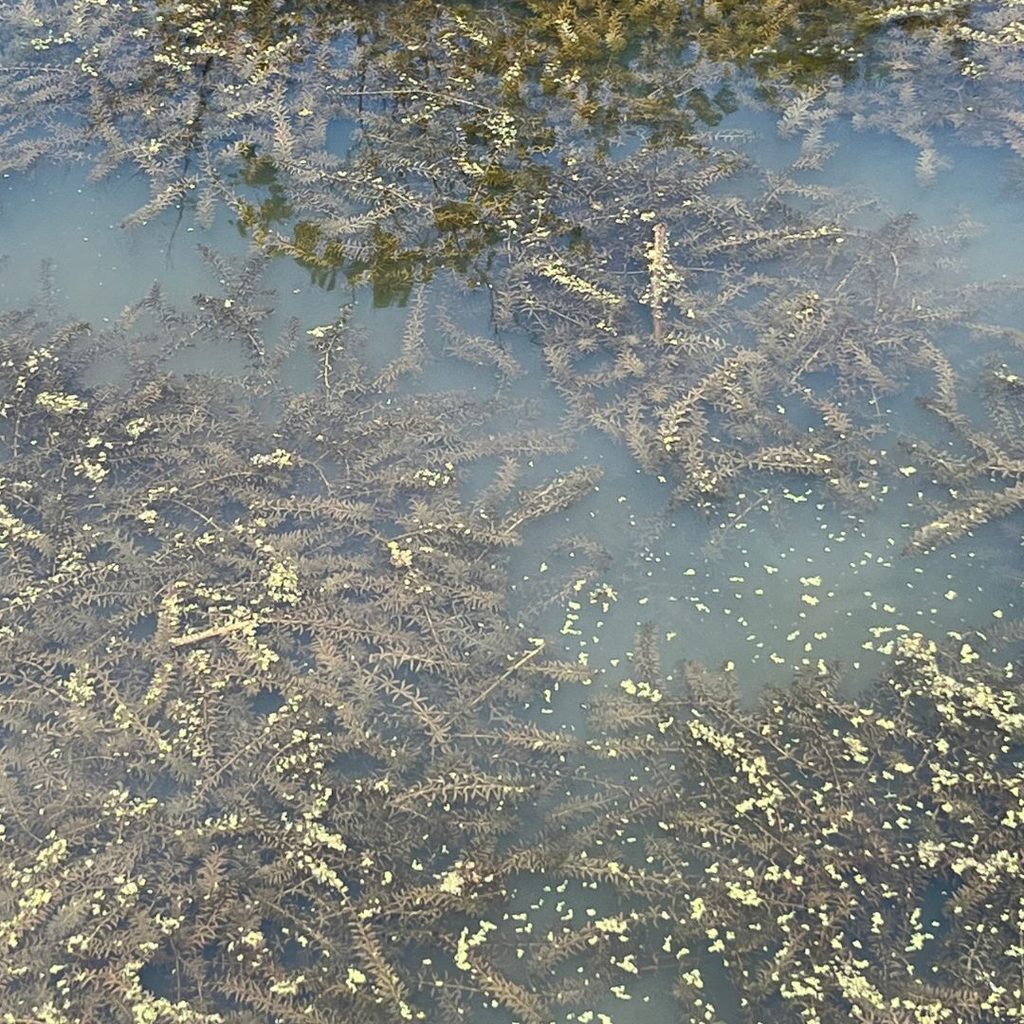
Image 1: Hydrilla growing under water filling in the water column | CREDIT University of Waterloo
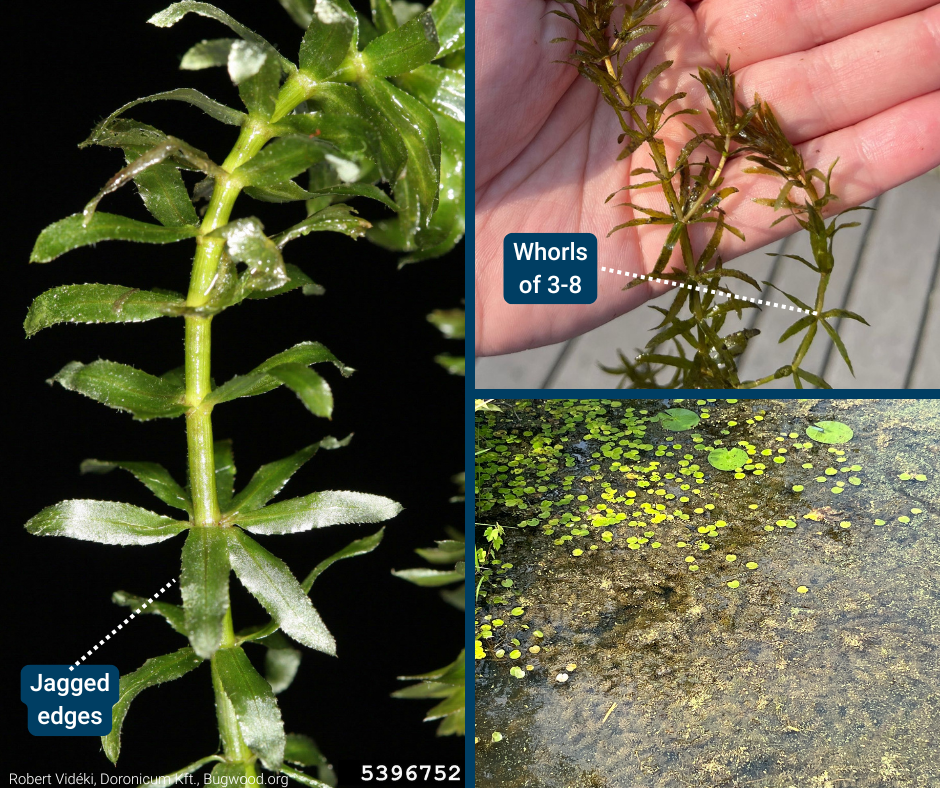
Image 2: How to identify invasive hydrilla
About the Invasive Species Centre
The Invasive Species Centre is a not-for-profit organization that mobilizes action against invasive
species that harm the environment, economy, and society in Canada and beyond. Visit our
website at www.invasivespeciescentre.ca to learn about invasive species, get information, take
training courses, register for events, sign up to receive news, and take action on invasive
species.
For more information please contact:
Lauren Rogers
Senior Communications Coordinator
Invasive Species Centre
Media@invasivespeciescentre.ca
705-257-8188
