
The Ontario Phragmites Action (OPA) program is pleased to announce that they will be supporting 120 invasive Phragmites monitoring and management projects in 2026-27 through the Invasive Phragmites Control Fund (IPCF). This funding is made possible thanks to an investment from the Ontario Ministry of Natural Resources and coordinated by the Invasive Species Centre and Nature Conservancy of Canada.
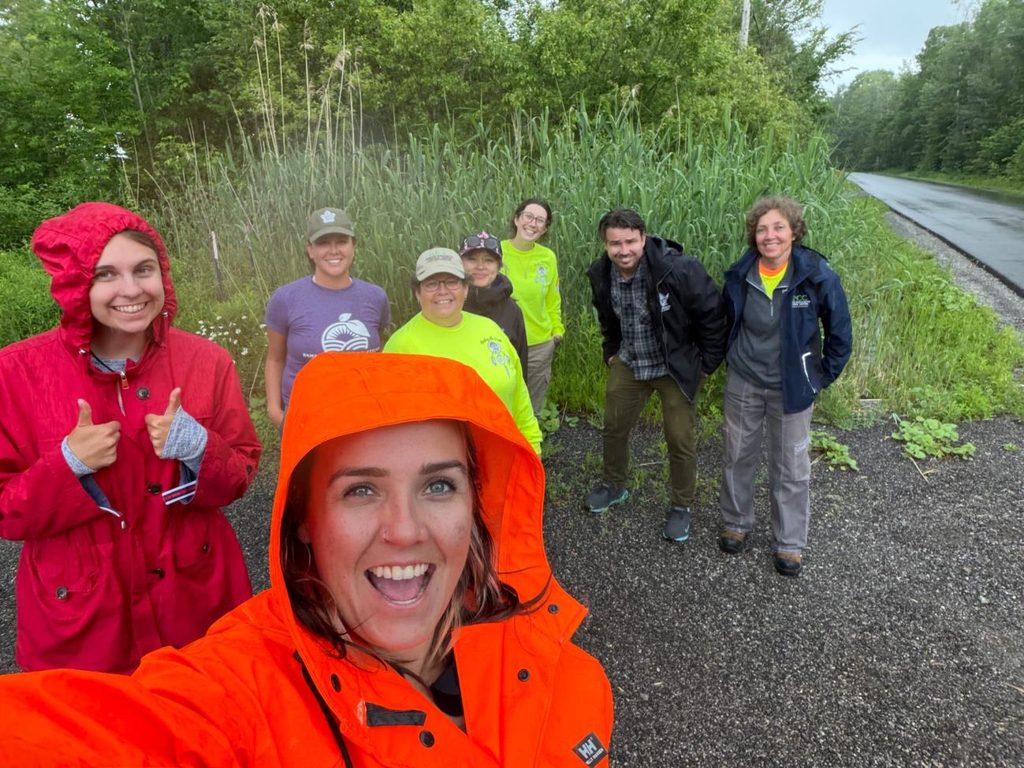
The total estimated benefits of Phragmites control are $113.4 million annually. It has economic impacts to agriculture, wetlands, property values, and tourism and recreation, as well as to key municipal assets including roads, drainage systems, and stormwater ponds. In addition, it causes road and fire hazards, blocks access to shorelines, and directly impacts key habitats for species at risk.
The OPA program empowers municipalities, conservation authorities, Indigenous communities, and incorporated not-for-profit organizations to implement on-the-ground Phragmites control efforts. These initiatives contribute to a coordinated, province-wide program aimed at both managing and preventing the introduction and spread of invasive Phragmites across Ontario. This includes projects with Quinte Conservation, the Chippewas of Georgina Island First Nation, and Mattagami Region Conservation Authority.
Quinte Conservation aims to continue advancing the Quinte Region Phragmites Management Area (QRPMA). The goal of their project is to develop a coordinated, science-based framework for invasive Phragmites management in the Quinte watershed. Using the baseline mapping and monitoring completed in the first year of the initiative, the project will take an integrated management approach to reduce invasive Phragmites impacts at two priority wetlands, Sawguin Creek Wetland and Big Island Marsh. In partnership with municipalities, industry partners, researchers, and local communities, Quinte Conservation will also expand mapping, public outreach, and stewardship efforts to increase awareness, support early detection, and build long-term capacity for invasive Phragmites management while protecting wetland health and biodiversity.
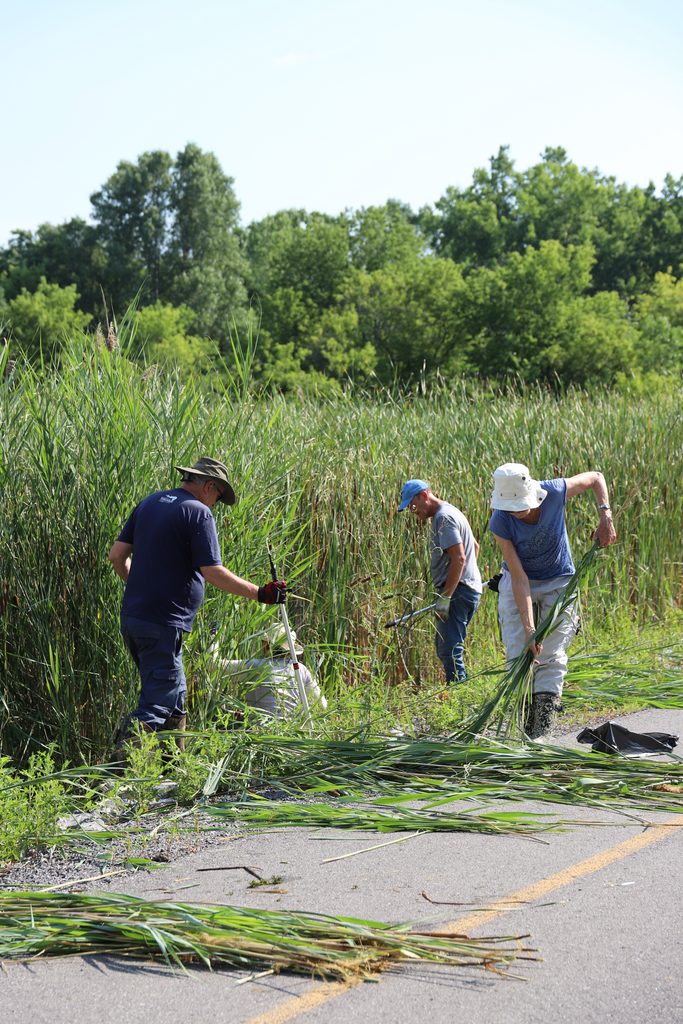
Georgina Island First Nation is launching an initiative to manage invasive Phragmites and protect culturally and ecologically important areas across the island. The project will focus on mapping and monitoring invasive Phragmites, followed by targeted removal. Their partner group, First Nation Phragmites Control, will help to build local capacity and increase awareness of how invasive Phragmites spreads by giving community members opportunities to participate in outreach, education, and hands-on training. Through restoration of managed sites, the project will help reestablish healthy ecosystems, protect habitat for fish and wildlife, and support the long-term stewardship of Georgina Island’s lands and waters for future generations.
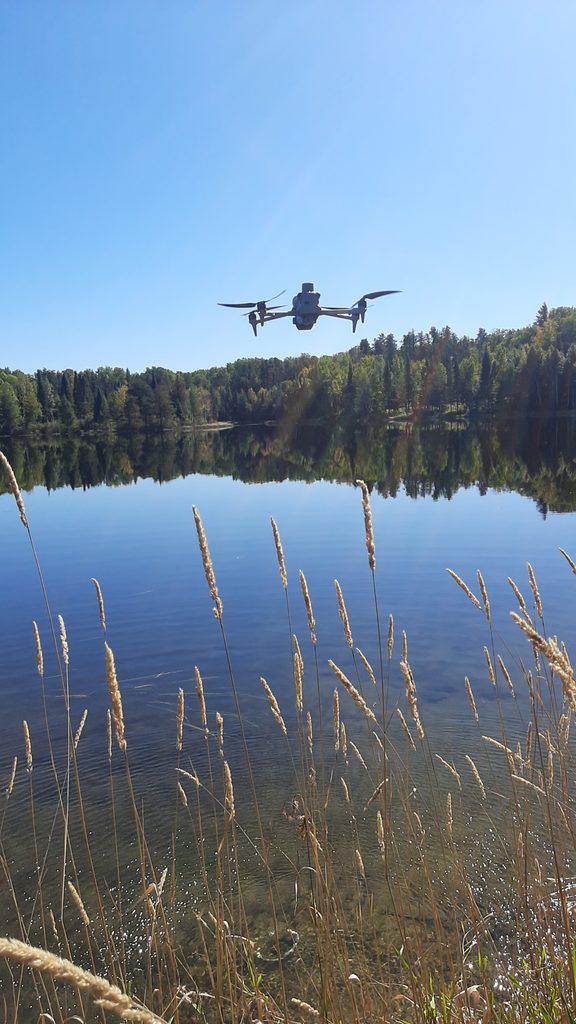
The Mattagami Region Conservation Authority (MRCA), the City of Timmins, and Mattagami First Nation are working together as a PMA to strengthen the early detection, monitoring, and management of invasive Phragmites across the Timmins region. Through shoreline, roadside, and aerial drone surveys, partners will identify and map new infestations, monitor known patches, and use DNA testing to confirm suspected invasive Phragmites. Projects will also involve community education and youth engagement to help build local capacity while protecting shorelines, wetlands, and natural areas.
QUOTES:
“Protecting Ontario’s natural environment means taking action now against invasive species like phragmites, before they can do more damage. By investing $5 million in local partners, our government is moving to protect Ontario’s biodiversity, strengthen local economies and preserve the outdoor spaces that our families and communities enjoy.” — The Honourable Mike Harris, Minister of Natural Resources
“Investing in a collaborative, long-term approach to controlling and preventing invasive Phragmites yields significant benefits for Ontario’s ecosystems, economy, and communities. This project, along with the other projects funded by the Invasive Phragmites Control Fund, is one of Ontario’s greatest assets in overcoming the challenges posed by Phragmites.” - Colin Cassin, Invasive Species Centre Executive Director.
“Our experience tackling invasive Phragmites proves that together we can transform and revitalize landscapes. These projects improve roadway safety, protect critical infrastructure and reduce long-term maintenance costs for municipalities. As our partnerships grow, so does our impact for people, communities and native wildlife across Ontario.” — Brett Norman, Director – Habitat Restoration, Nature Conservancy of Canada
“What makes the Quinte Region Phragmites Management Area so significant is the level of collaboration it has inspired. By working together, our partners have identified and mapped hundreds of Phragmites populations, increased public awareness, and taken meaningful steps toward long-term control. The work completed so far is helping us move from understanding the extent of the problem to actively restoring and protecting some of the region’s most valuable habitats.” – Dan Butler, Invasive Species Technician, Quinte Conservation
“It is our goal to learn about invasive species, like phragmites, as a community and build our capacity to manage it so we can protect our natural ecosystems and native species of plants.” -Kelsey Trivett, Invasive Species and Ojibwe Language Coordinator, Chippewas of Georgina Island First Nation
“It has been a very positive experience working with the Ontario Phragmites Action program. This funding has allowed the MRCA to be the leader in identifying and assisting with Phragmites control in the Timmins area. This is the first time any form of Phragmites management/control has been conducted in our area and we are excited to be a part it.” – Hack Waldon, Regulations Officer, Mattagami Region Conservation Authority
Since 2024, IPCF has funded more than 260 projects that help protect natural spaces in Ontario from the impacts of Phragmites.
Learn more about the Ontario Phragmites Action program and the Invasive Phragmites Control Fund recipients, visit www.ontariophragmitesaction.ca
