
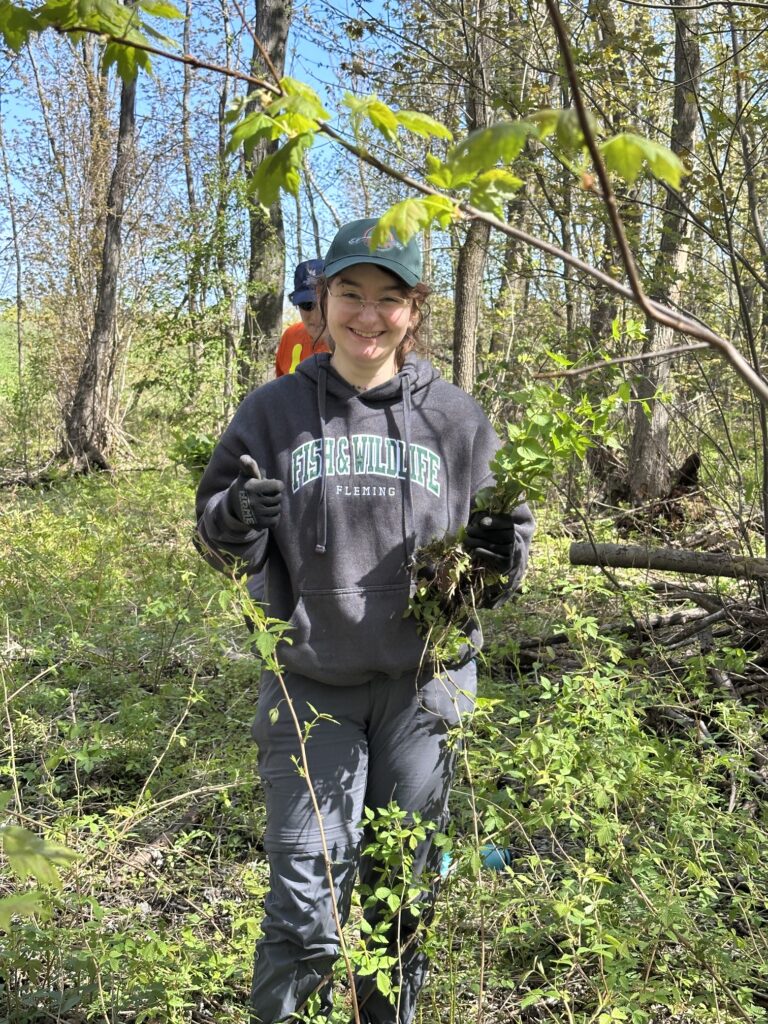
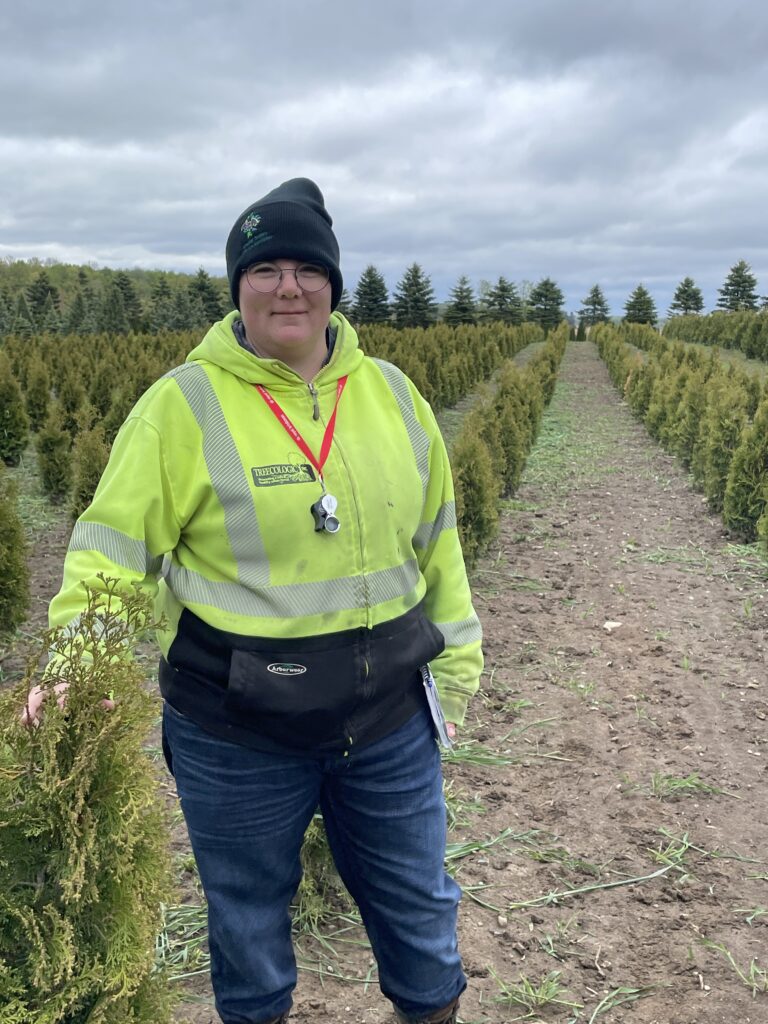
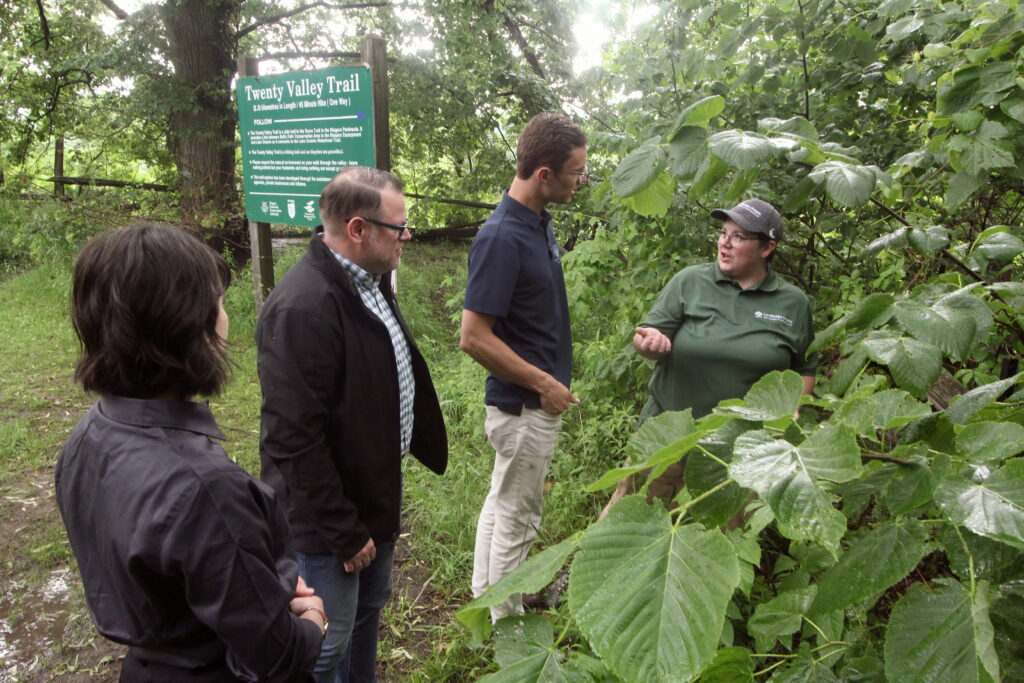
Thanks to an investment from the Ontario Ministry of Natural Resources, the Invasive Species Centre is supporting 112 new projects across Ontario led by municipalities, Indigenous organizations, conservation authorities, community groups, and non-profit organizations on critical invasive species issues through the Invasive Species Action Fund (ISAF).
Invasive species impact lakes, land, forests, and communities, and are the second greatest threat to biodiversity worldwide. Ontario has the highest number of invasive species in Canada, which are responsible for an estimated $3.6 billion dollars of impact each year to forestry, fisheries, agriculture, infrastructure, tourism, and recreation in the province. They often limit access to outdoor spaces and common recreation such as swimming, boating, and hiking, and in some cases, even pose a risk to human health.
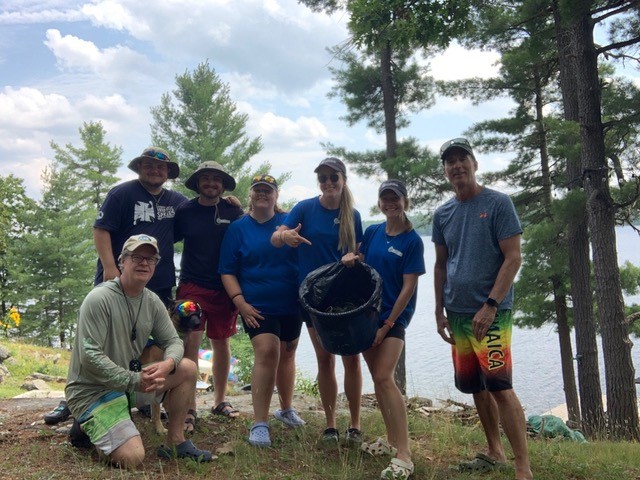
Organizations who is tackling these issues across Ontario include Landscape Ontario, Manitoulin Streams Improvement Association, Quinte Conservation, and Nipissing First Nation.
Landscape Ontario is expanding early detection and monitoring efforts for emerging invasive forest and nursery pests across southern Ontario, including spotted lanternfly, hemlock woolly adelgid, beech leaf disease, oak wilt, and elm zigzag sawfly. The project will support surveillance at nurseries and high-risk host sites, track key information on pest biology and spread, and strengthen sector preparedness through training and outreach.
Manitoulin Streams is leading a community-driven initiative to monitor, manage, and prevent the spread of invasive plants across Manitoulin Island. Working alongside volunteers, municipalities, First Nations, conservation organizations, and local landowners, the project will support the removal of priority invasive species such as white sweet clover, common tansy, garlic mustard, and purple loosestrife, while expanding efforts to identify and map wild parsnip infestations.
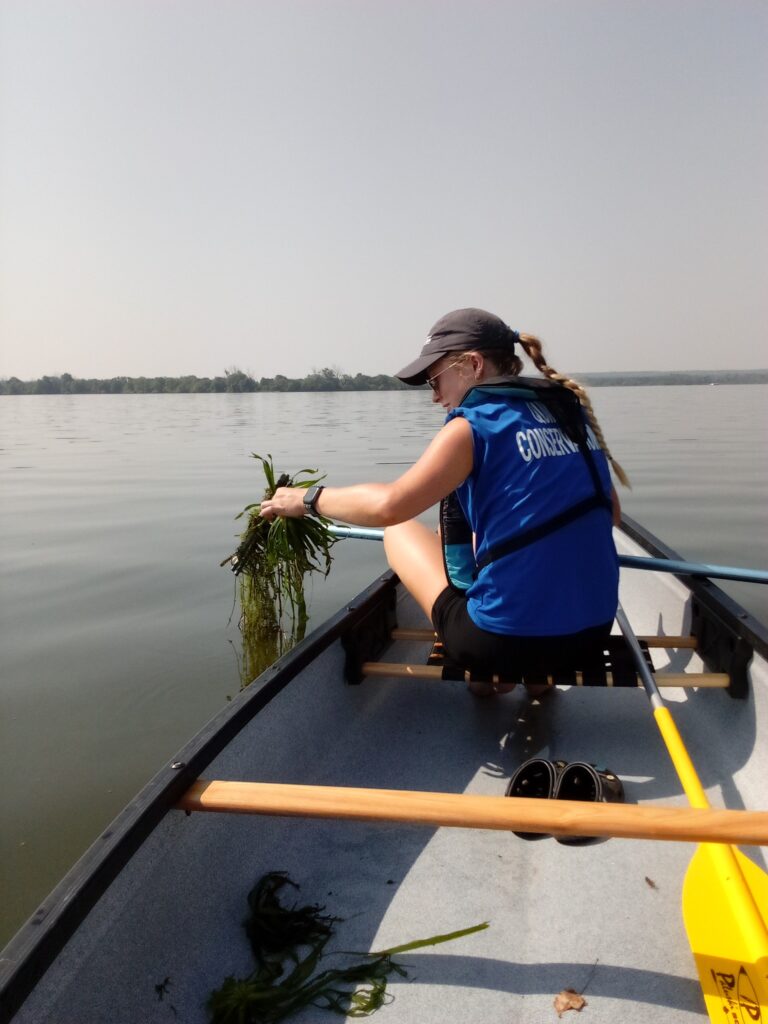
Quinte Conservation is expanding invasive species monitoring, management, and community engagement efforts across the Quinte Watershed. Building on partnerships established with municipalities, lake associations, stewardship groups, and Indigenous communities, the project will train volunteers in invasive species identification, mapping tools, and best management practices to create a network of citizen scientists that can help detect and monitor invasive species.
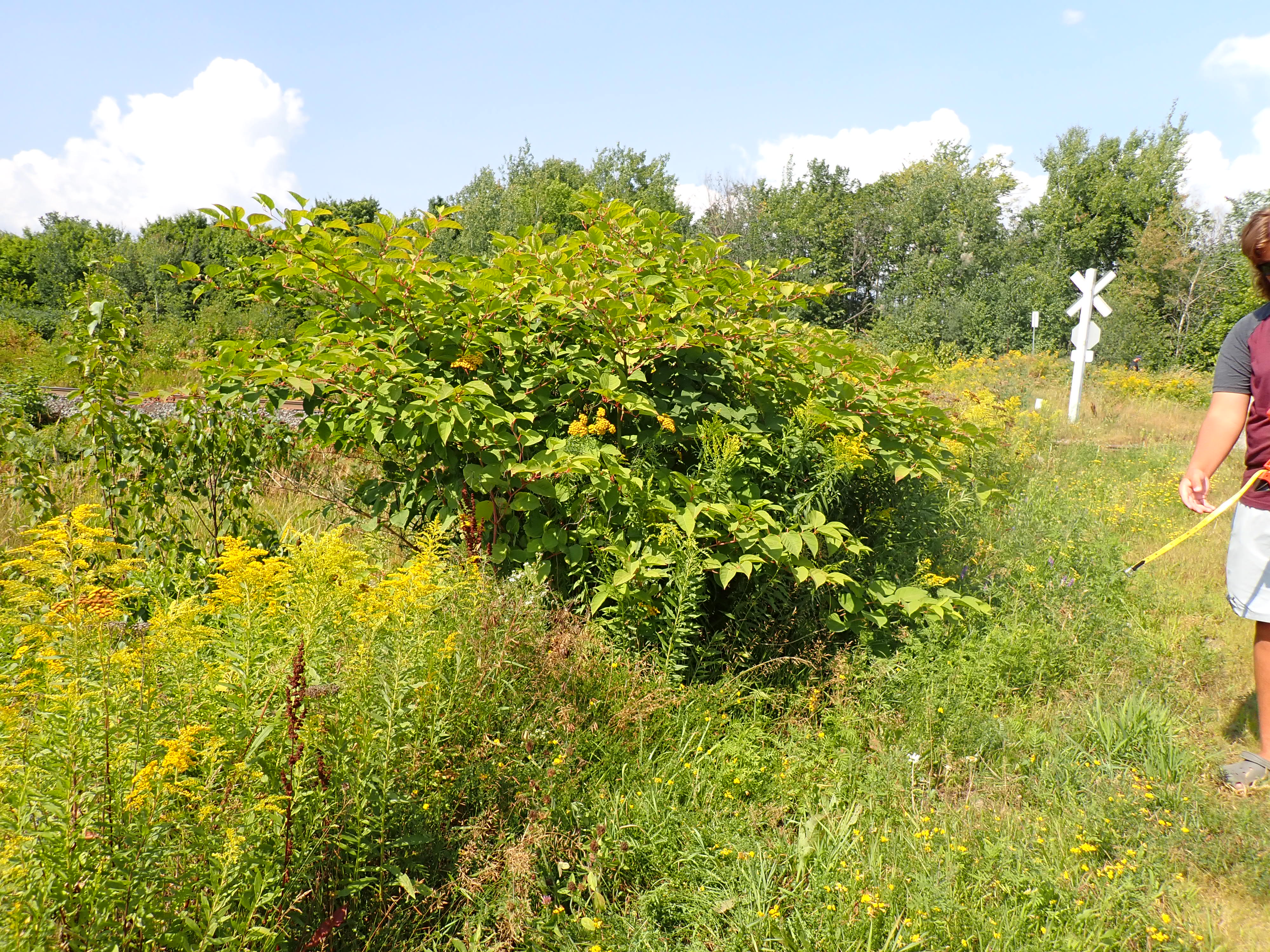
Nipissing First Nation is launching Operation ROOT (Removal of Oppressive Out-Competing Threats), to manage invasive Japanese knotweed and restore affected lands within the community. The project will treat Japanese knotweed infestations that were mapped through previous ISAF-funded projects and restore affected areas through the planting of native grasses, shrubs, and seedlings.
QUOTES:
“The best way to protect Ontario from invasive species is by preventing them from spreading,” said Mike Harris, Minister of Natural Resources. “That’s why our government is investing $2 million to give communities the tools they need to keep our waterways and forests safe for families across Ontario to enjoy.”
“Managing invasive species is an important commitment that requires action and collaboration at the local level. These projects help protect ecosystems, biodiversity, and the people that rely on them. They build the knowledge, partnerships, and capacity needed to address invasive species into the future.” - Colin Cassin, Executive Director, Invasive Species Centre.
Since 2021, the Invasive Species Centre has partnered with Ministry of Natural Resources to fund 485 projects across the province that help protect natural spaces from the impacts of invasive species.
To Learn more about the Invasive Species Action Fund, visit www.invasivespeciescentre.ca/grants.
