
September 10, 2025
Thanks to an investment from the Ontario Ministry of Natural Resources, the Invasive Species Centre is supporting 115 new projects through the Invasive Species Action Fund (ISAF). ISAF empowers community groups, Indigenous organizations, and municipalities to take action on critical invasive species, including invasive plants, aquatic invasive species, and forest pests. This includes projects with the Royal Botanical Gardens, the Corporation of the City of Windsor, Michipicoten First Nation, the Regional Forest Health Network, and Quinte Conservation with the Ontario Federation of Anglers and Hunters.
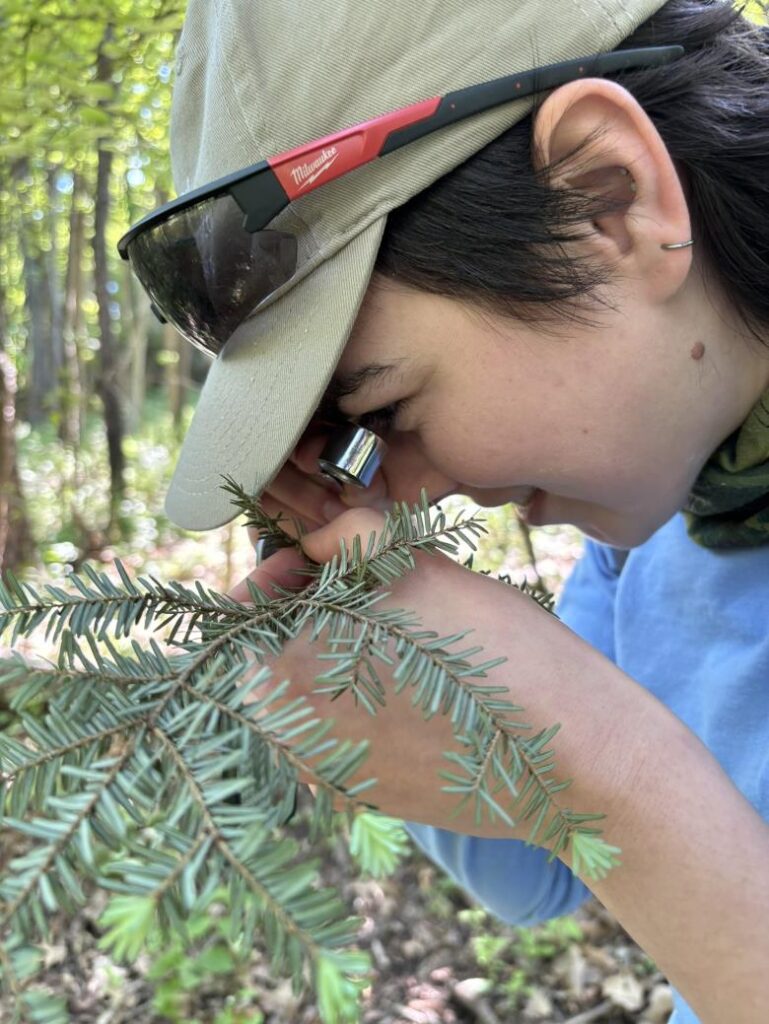
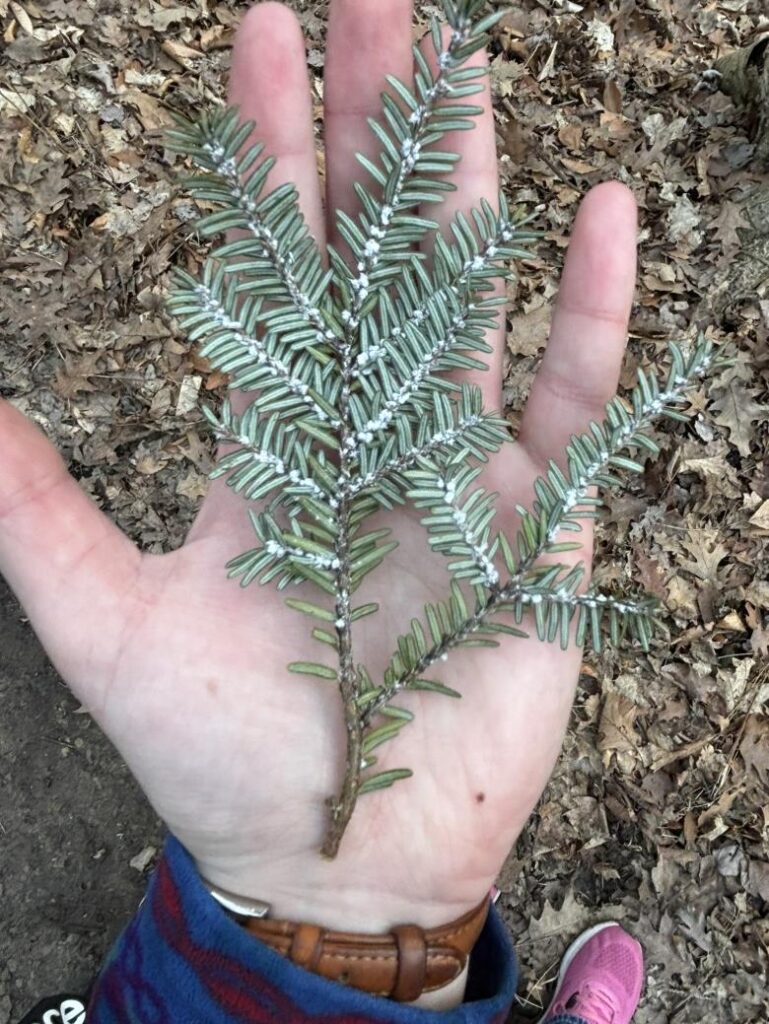
In 2025, the Royal Botanical Gardens will lead efforts to remove invasive plant species such as Norway Maple, Tree of Heaven, Amur Corktree, and Flowering Rush from key nature sanctuaries. Their staff will expand their work to manage Hemlock Woolly Adelgid (HWA) by completing a detailed inventory of hemlock trees and applying targeted treatments to infected trees. They will remove invasive trees using a mix of herbicide treatments and manual methods and will continue hand-pulling Flowering Rush from the Grindstone Creek wetlands. They will also work with regional partners to share expertise and coordinate HWA monitoring and management across the area.
The City of Windsor aims to enhance invasive species management in high-value natural areas across Windsor by expanding mapping and control efforts, with a focus on species like wild parsnip, honeysuckle, tree of heaven, dog-strangling vine, autumn olive, black locust, and Japanese knotweed. Building on a project funded by the Invasive Species Action Fund in 2024, the City of Windsor will map and manage invasive species across the Ojibway Prairie Complex and other local parks, contributing to species at risk recovery, ecosystem health, and public safety. The project also includes Indigenous engagement to incorporate Traditional Ecological Knowledge and explore collaboration opportunities through workshops and field tours with up to six First Nation communities.
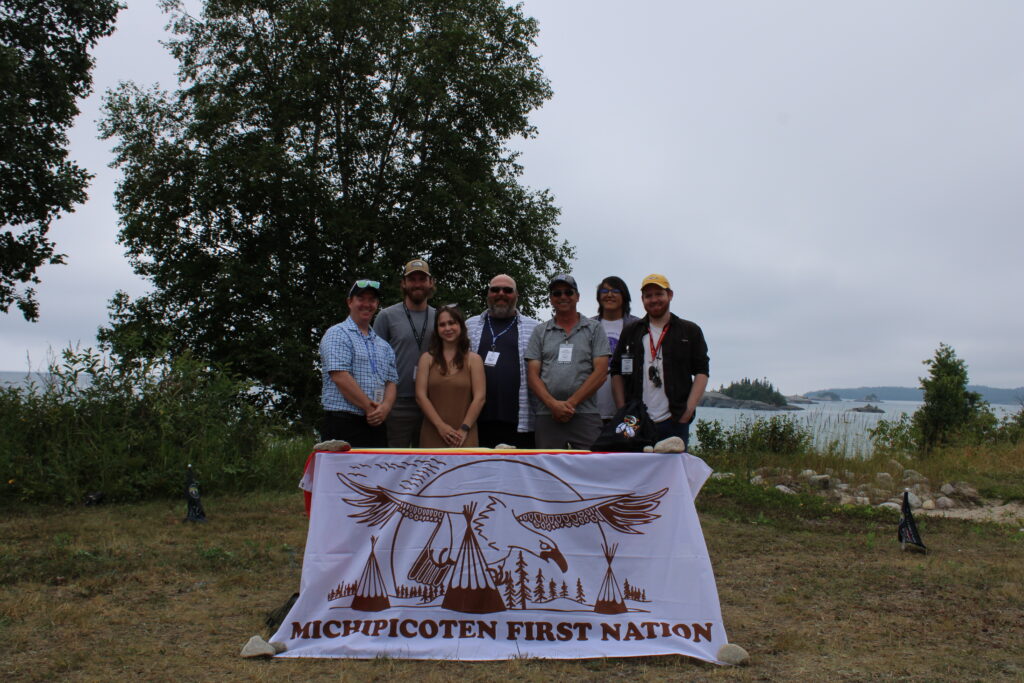
Michipicoten First Nation (MFN) is developing a strategy to manage emerging invasive species that threaten cultural keystone species, traditional harvesting areas, and community health. With partners, MFN will map invasive plant populations through ground and aerial surveys, co-develop culturally relevant training, and build a Community Task Force to conduct removals. The project will engage youth and elders through in-person and virtual training on plant identification, removal techniques, and stewardship, while creating a digital toolbox of educational resources. All efforts aim to reduce the impacts of invasive species and protect MFN’s lands, waters, and cultural practices.
The Regional Forest Health Network aims to establish a comprehensive training, education, and research program for forestry professionals managing hemlock forests threatened by Hemlock Woolly Adelgid (HWA). Building on a successful 2024 pilot, the program will deliver hands-on field courses covering HWA identification, monitoring, and control methods, including silvicultural thinning and insecticide application based on best management practices. In 2025, the project will develop partnerships, select training and trial sites, and begin operational planning and tree marking. Field implementation and revised training that incorporates trial site observations are planned for 2026, supporting broader adoption of integrated pest management strategies across Ontario’s hemlock range.
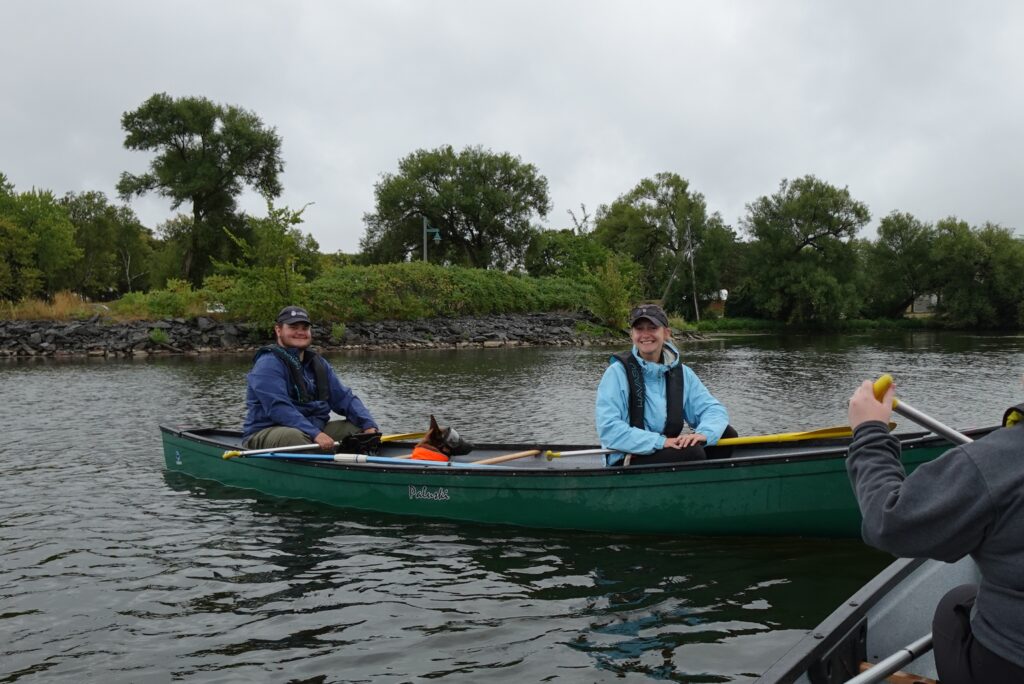
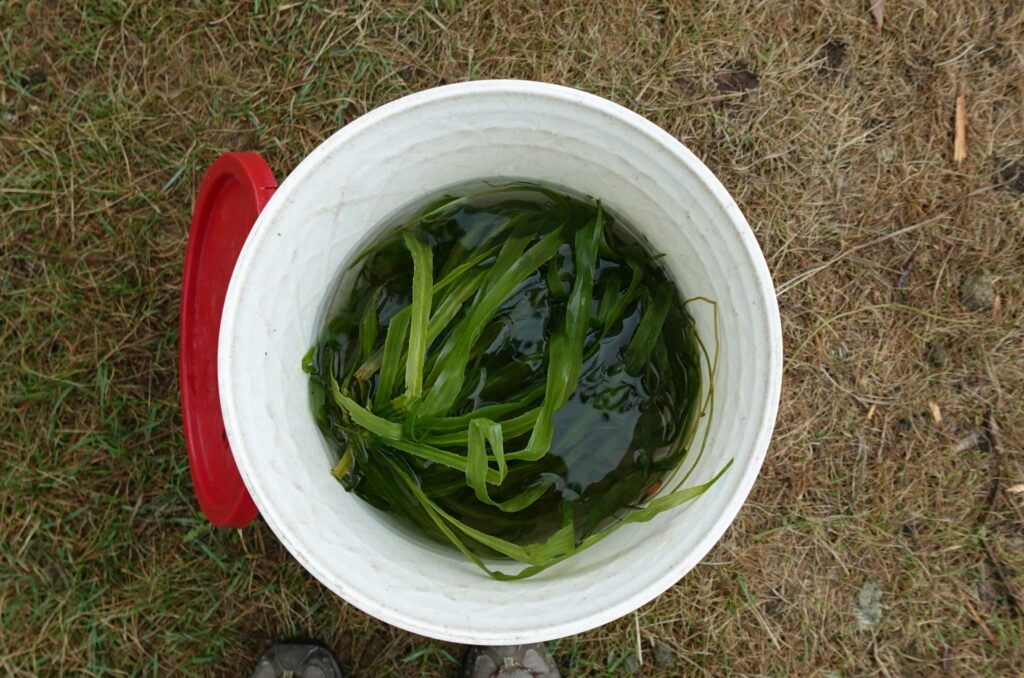
Quinte Conservation Association and the Ontario Federation of Anglers and Hunters are working collaboratively to monitor and manage water soldier within the Quinte watershed, Lake Simcoe, and other Ontario waterways. Water soldier is a perennial aquatic plant, prohibited under the provincial Invasive Species Act. It has long, thin, serrated leaves that grow in a circular pattern and poses a threat to summer recreational activities such as fishing, boating, and swimming. By working to manage known populations and prevent further spread of this invasive aquatic plant, the group is protecting waters in Ontario and local economies.
Invasive species are plants, animals, insects, and pathogens that are introduced to an ecosystem outside of their native range and cause harm to the environment, economy, or society. These species damage lakes, land, forests, and communities, and are the second greatest threat to biodiversity worldwide. Ontario has the highest number of invasive species in Canada, which are responsible for an estimated $3.6 billion dollars of impact each year to forestry, fisheries, agriculture, infrastructure, tourism, and recreation in the province.
“Our government is proud to support the Invasive Species Action Fund and the incredible work the Invasive Species Centre does with our partners to protect Ontario from invasive species,” says Hon. Mike Harris, Minister of Natural Resources. “These over 100 projects across the province—spanning from Thunder Bay to the GTA, and Georgian Bay to Kitchener—will have a meaningful impact over the next three years.”
“The Invasive Species Centre is proud to support community-driven efforts that take real action to prevent the spread of invasive species in parks, forests, and lakes,” says Colin Cassin, Executive Director, Invasive Species Centre. “By investing in these local initiatives, we’re helping to build long-term resilience across the landscape—safeguarding natural ecosystems and all that depend on them.”
Since 2021, the Invasive Species Centre has funded 372 projects across the province that help protect natural spaces from the impacts of invasive species. To learn more about the ISAF recipients, visit the ISAF page.
