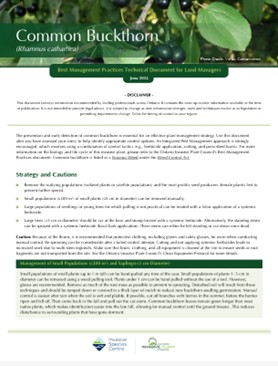
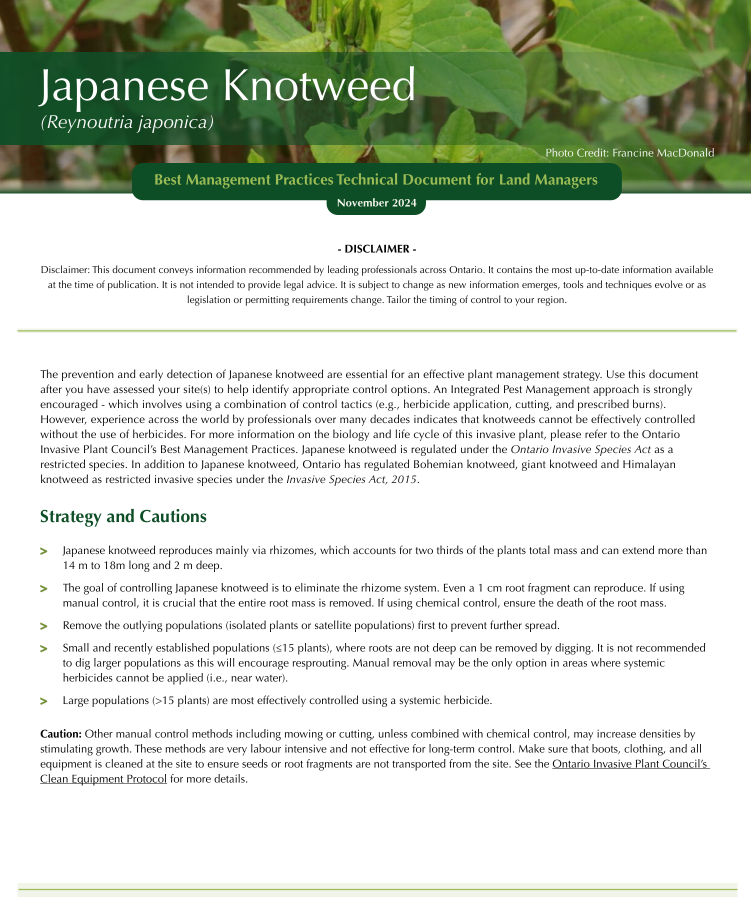
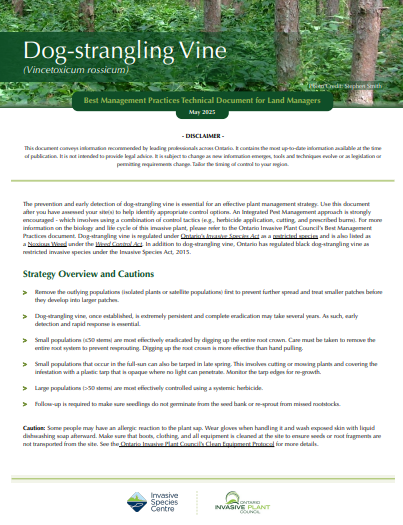
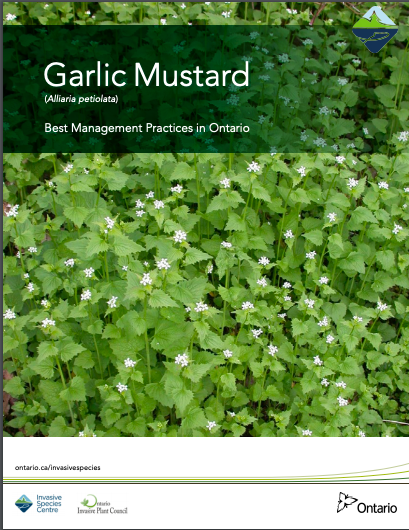
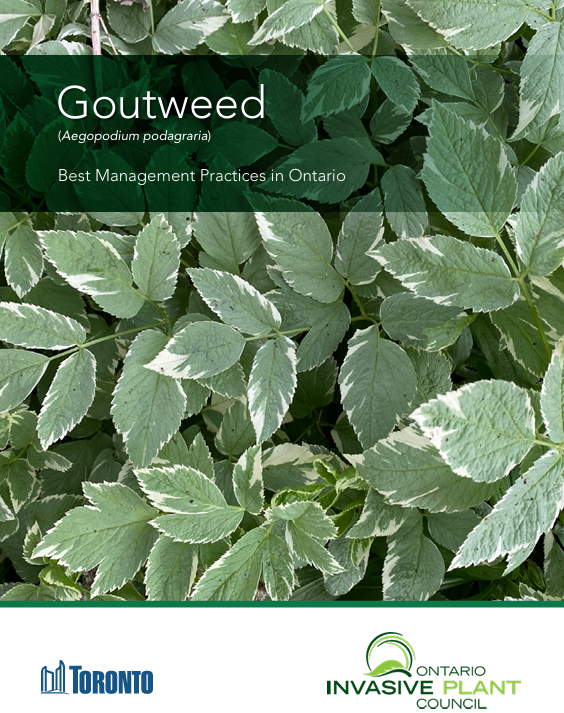
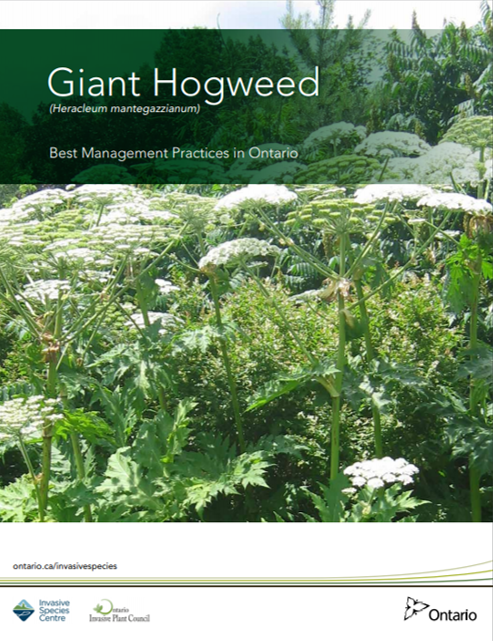
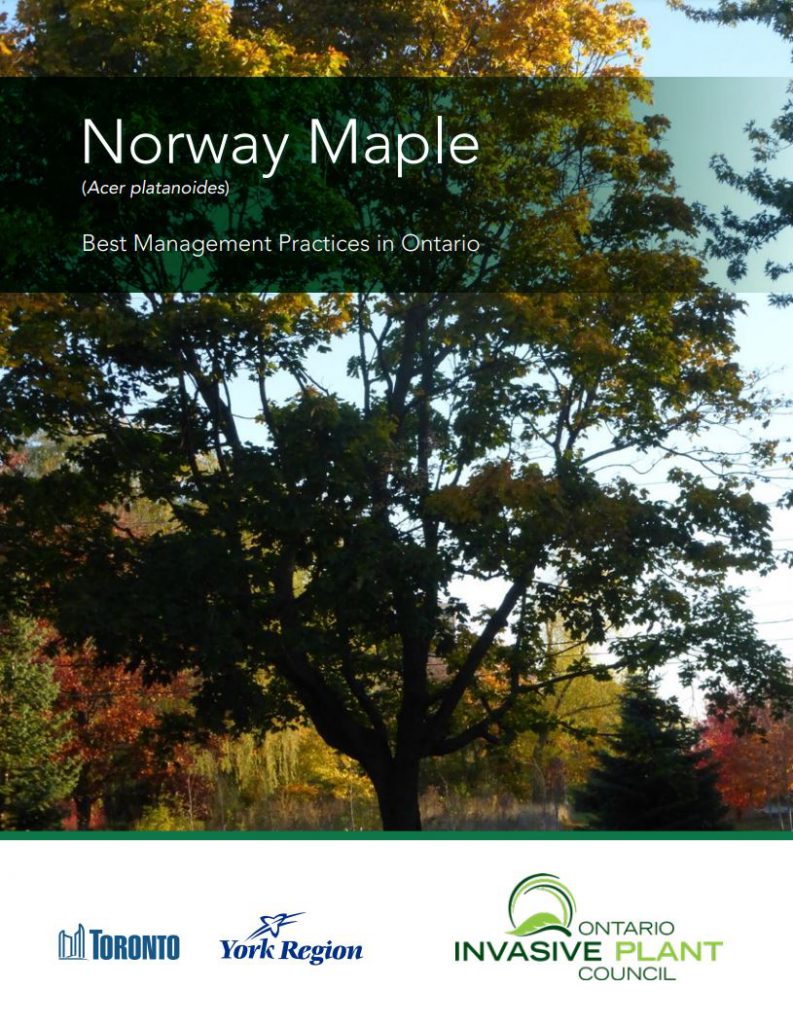
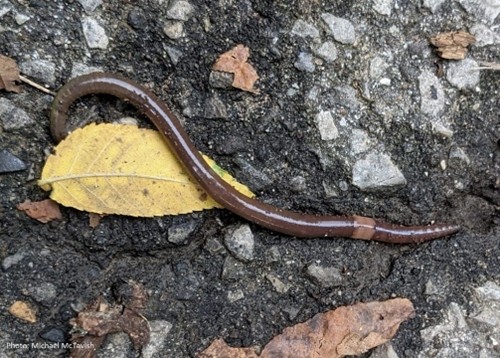
Whether you’re planting your first garden or refreshing your backyard beds, every gardening choice can make a difference. This page brings together trusted resources to help you grow native plants, spot invasive threats, and make eco-friendly decisions at garden centres. Dig in to learn how you can support local biodiversity, one plant at a time.
*Please note: the Invasive Plant Technical Bulletin Series is currently undergoing some updates and will be reposted when the process has been completed.
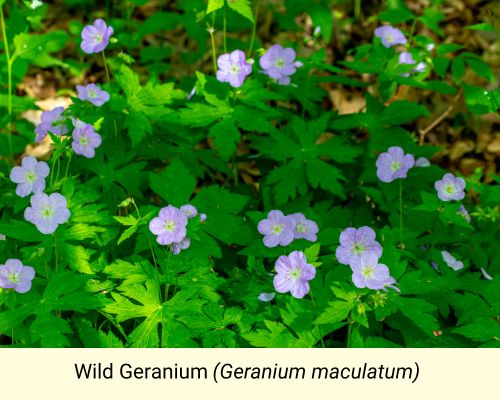
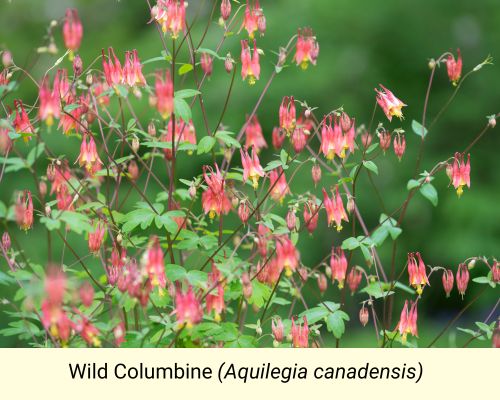
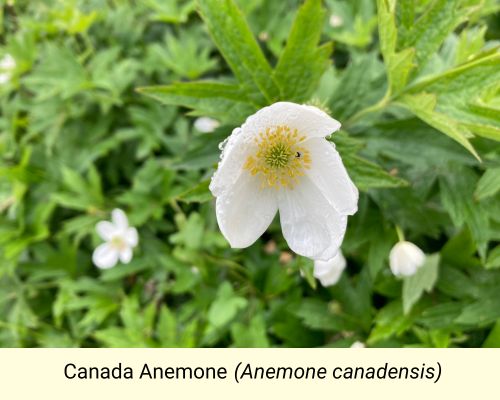
Not sure which native plants are best suited for your site? The North American Plant Society (NANPS) offers a helpful search tool to discover species natives to your area.It’san easy way to ensure your planting choices support your site condition, support local biodiversity and thrive in your garden space.
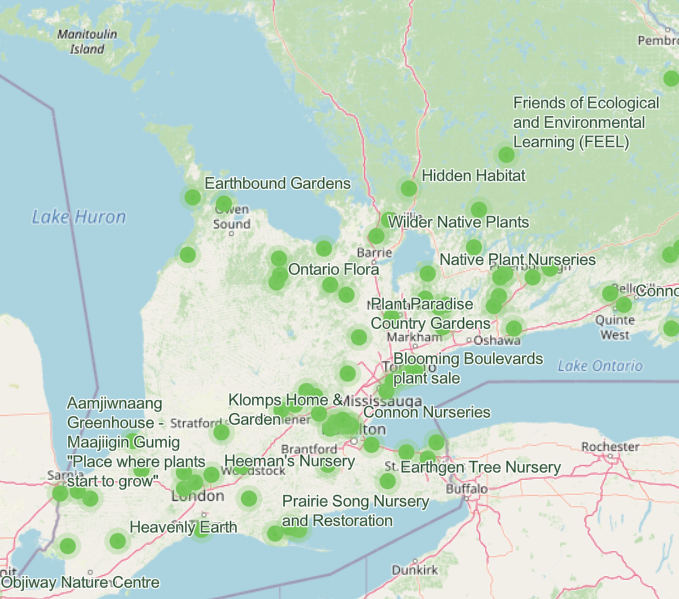
Looking to source native plants for your garden? Click on the maps below – created by In the Zone (a partnership between WWF- Canada and Carolinian Canada) and Network of Nature- to find nurseries, garden centres, and growers across Ontario that are selling native plants. It’s a great starting tool for finding local options that support biodiversity and pollinators in your region.
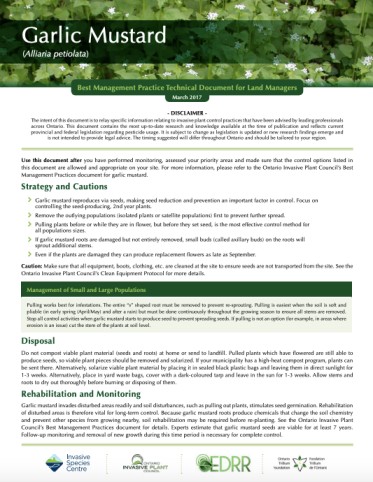
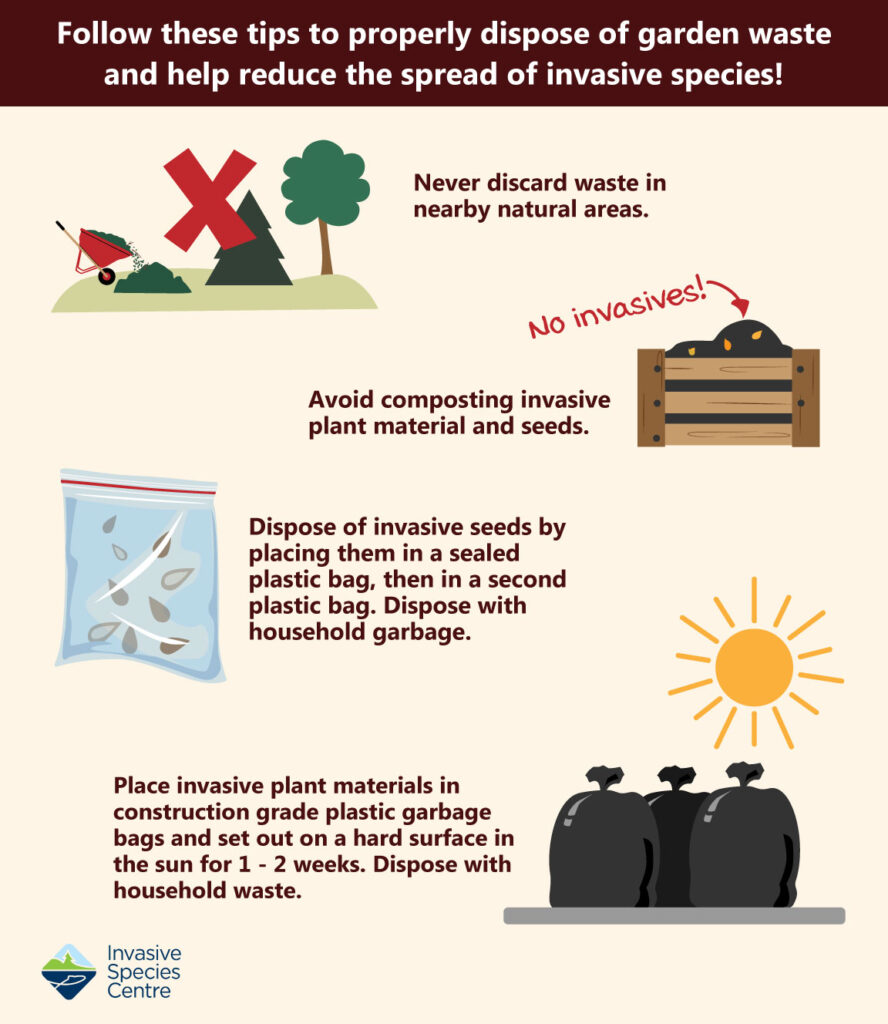
Proper disposal of invasive plants is essential to prevent them from spreading. Never discard garden waste in nearby natural areas. Avoid composting invasive plant material and seeds as they can sometimes survive this process. If you have a seed packet with invasive species that you’re looking to dispose, put the seeds and packaging in a sealed plastic bag, then put this inside a second sealed bag, and place them in your regular garbage that goes to a landfill.
For invasive plant materials, dispose in construction grade plastic garbage bags, set out on a hard surface for one to two weeks in the sun and place in household waste. Refer to regional or provincial management guidelines for more specific information on disposal.