
Residents and visitors are being called on to help protect Lake Simcoe from water soldier, a fast-spreading invasive aquatic plant. It’s ability to spread quickly along shorelines and in shallow waters can limit recreational activities such as swimming, fishing, and boating, and is even a human health risk, as the plant has sharp, serrated leaves that can cut the skin.
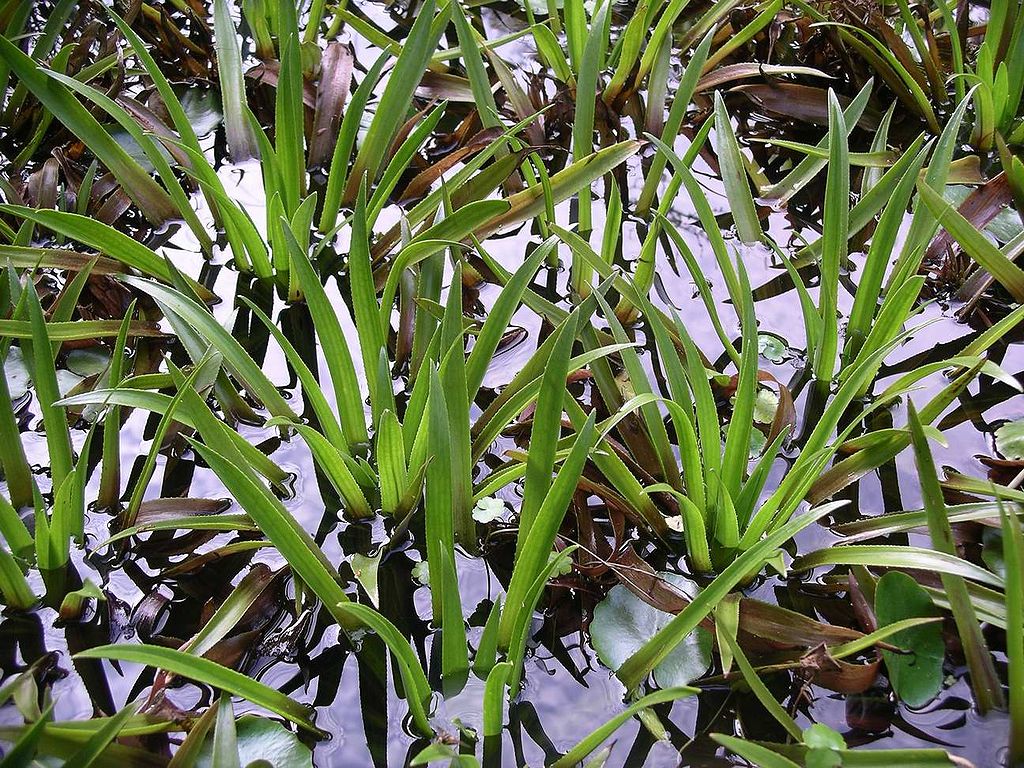
The water soldier population in Lake Simcoe is the largest known population in North America. Lake Simcoe is also the largest inland lake in southern Ontario and a vital source of drinking water for 500,000 residents. Given the significance of both the infestation and the lake itself, collaboration is essential to address potential control and management efforts while preventing further spread.
Since the plant was first detected in Cook’s Bay in August 2024, the Lake Simcoe Water Soldier Working Group, a collaboration of federal and provincial ministries, Indigenous organizations, municipalities, conservation authorities, universities, and non-government organizations, has been leading efforts to monitor the infestation and develop a coordinated management plan.
“Monitoring and management planning efforts by the Working Group are ongoing, but preventing the spread of water soldier relies heavily on public action. Community members play a critical role,” says Colin Cassin, Invasive Species Centre Executive Director. “Report sightings and reduce the risk of further spread by cleaning, draining, and drying watercraft and equipment after use.”
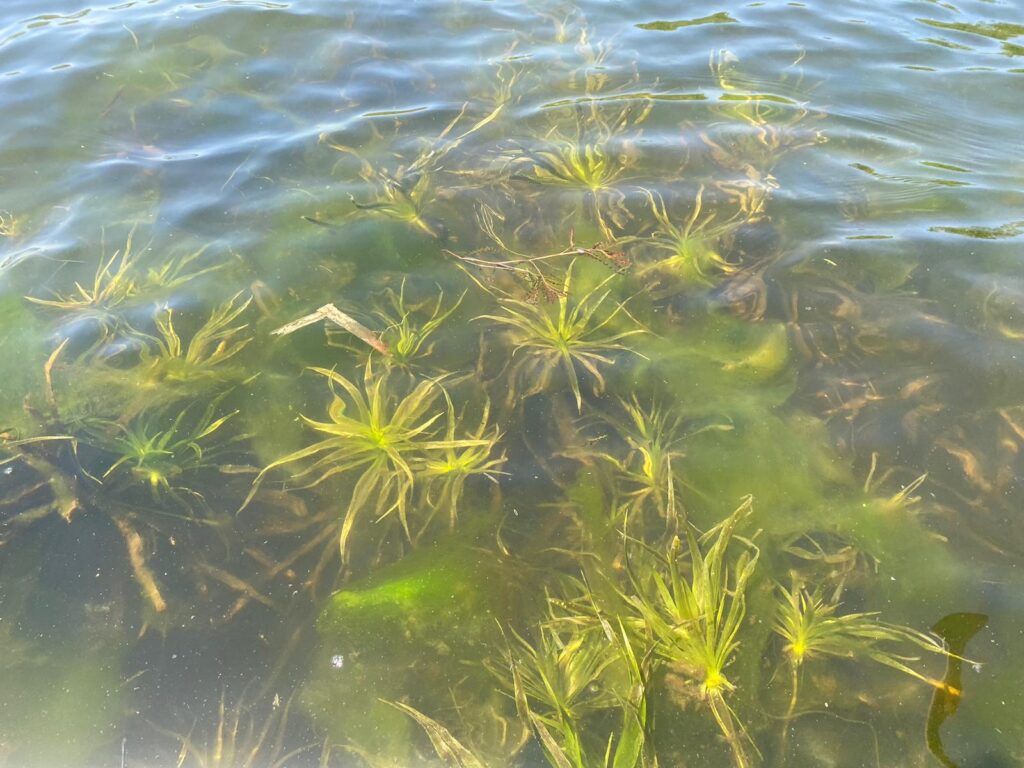
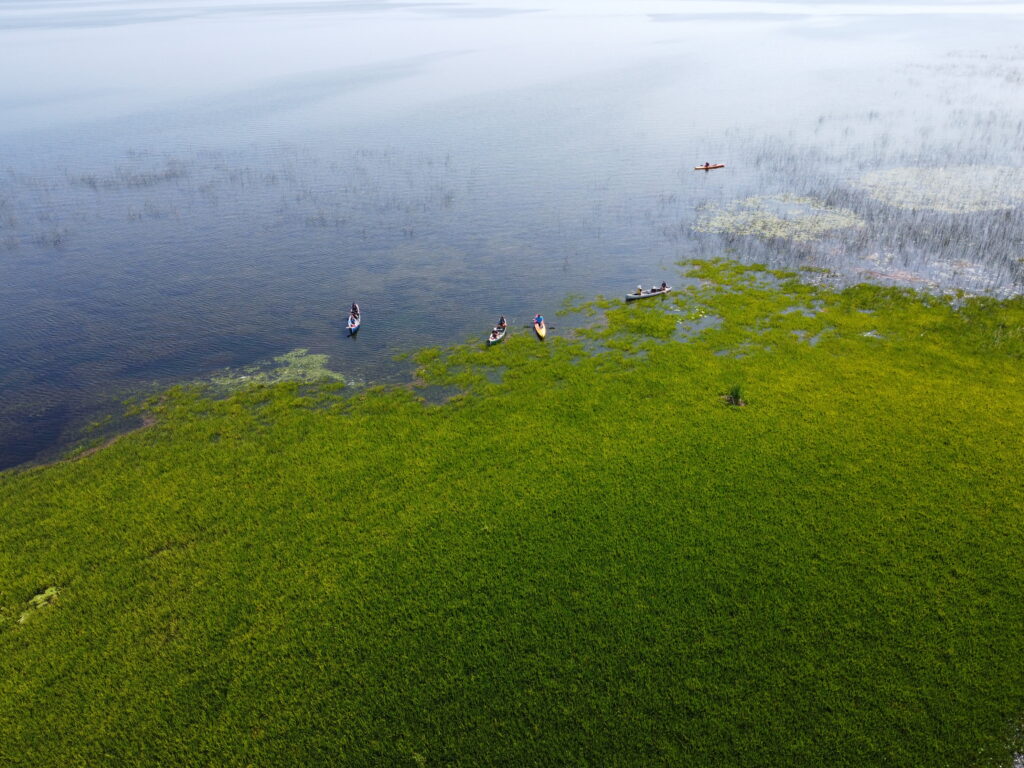
How Community Members Can Help Prevent the Spread:
- Clean, Drain, Dry your watercraft and equipment when you leave Lake Simcoe and other waterbodies so that you aren’t moving water soldier or other invasive species on your watercraft. Even small plant fragments can be transported by boats or equipment an establish new infestations.
- Learn how to recognize water soldier and report sightings of it. A good report includes an accurate location of the sighting and photos.
- Safely pull it. Watch the Parks Canada See It, Pull It video to learn the skills and equipment you will need to carefully remove water soldier on your own. Make sure you refer to the Prevention and Response Plan for Water Soldier to ensure you meet all the management requirements and complete activities during the In-Water Work Timing Windows.
- If you are disposing of water soldier, do it properly. Dispose of it in regular household garbage or on dry land in a manner that ensures that no part of the plant will re-enter the body of water or enter any other body of water.
- Don’t use water soldier in aqua-scaping. Water soldier is prohibited under the Ontario Invasive Species Act. This means it is illegal to import, possess, deposit, release, transport, breed/grow, buy, sell, lease or trade water solider in Ontario.
Community member can learn more about water soldier and how to prevent the spread at www.invasivespeciescentre.ca/watersoldier
About the Invasive Species Centre
The Invasive Species Centre is a not-for-profit organization that mobilizes action against invasive species that harm the environment, economy, and society in Canada and beyond. Visit our website at www.invasivespeciescentre.ca to learn about invasive species, get information, take training courses, register for events, sign up to receive news, and take action on invasive species.
About the Lake Simcoe Water Soldier Working Group
Made up of federal and provincial ministries, Indigenous organizations, municipalities, conservation authorities, universities, and non-government organizations, the Lake Simcoe Water Soldier Working Group aims to take collaborative action to support Lake Simcoe restoration efforts through evidence-based control measures and by preventing further spread through outreach, education, and training.
Lake Simcoe Water Soldier Working Group:
- Chippewas of Georgina Island First Nation
- Chippewas of Rama First Nation
- Ducks Unlimited Canada
- Invasive Species Centre – Co-chair
- Lake Simcoe Region Conservation Authority
- Ontario Federation of Anglers and Hunters – Co-chair
- Ontario Ministry of Natural Resources
- Ontario Ministry of the Environment, Conservation and Parks
- Parks Canada
- Town of Georgina
- The Regional Municipality of York
